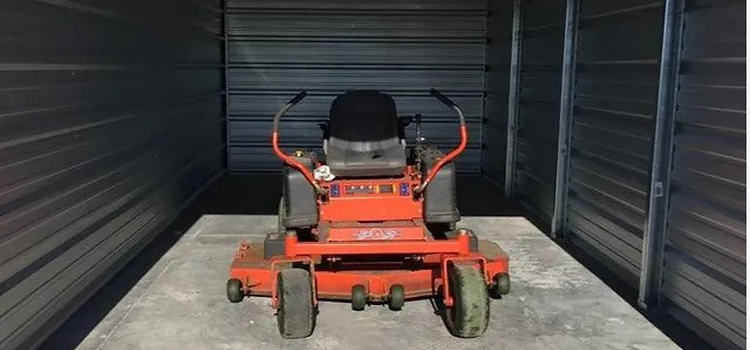
As the gardening season comes to a close, it's essential
to take the right steps to store your lawn equipment properly. Proper storage
not only prolongs the lifespan of your tools but also ensures they are in
optimal condition for use when spring arrives. In this article, we will explore
five essential tips for storing your lawn equipment effectively during the
off-season.
Before putting away your tools and equipment, it’s crucial to clean them thoroughly. Here’s how to do it effectively:
Remove Debris: Use a brush or compressed air to remove grass clippings, dirt, and leaves from all surfaces, including blades, wheels, and filters.
Inspect for Damage: Look for any signs of wear or damage. This inspection is vital as it allows you to make necessary repairs before storage, thus avoiding potential issues when you pull them out next season.
Wash: For metal tools, wash them with soap and water to remove buildup and prevent rust. A vinegar solution can help with stubborn spots.
Cleaning your lawn equipment not only enhances its
appearance but also helps prevent corrosion and ensures optimal function in the
coming season.
Lawn equipment requires proper care for its internal components, which often includes changing oil and fuel. Follow these steps:
Change the Oil: After completing the season, change the oil in your lawn mower and other gas-powered tools. This helps prevent contaminants from damaging the engine over time.
Fuel Stabilizer: If you plan to store fuel, add a fuel stabilizer. This prevents the fuel from degrading, which could lead to starting issues next season.
Run the Engine: After adding the stabilizer, run the engine for a few minutes to allow the mixture to circulate.
This vital step can save you from costly repairs or
replacements that result from neglect.
Finding the right space for storage is crucial. Here’s what you need to consider:
Dry and Cool: Store equipment in a dry and cool environment to prevent moisture buildup, which can lead to rust and mold.
Temperature Control: Avoid areas that may experience extreme temperatures, such as uninsulated garages or sheds. Ideal storage conditions are typically between 50-85°F (10-29°C).
Avoid Direct Sunlight: If possible, keep tools out of direct sunlight, which can deteriorate plastic parts and cause fading.
Choosing an appropriate storage location can
significantly affect the longevity and performance of your lawn tools.
An organized storage system makes it easier to access equipment when the season returns. Consider the following tips:
Vertical Storage: Utilize wall hooks and shelving to store equipment vertically. This arrangement saves space and keeps tools off the ground.
Labeling: Clearly label shelves and containers, helping to ensure all equipment is easy to find when needed.
Storage Containers: Use plastic bins or containers for small tools and accessories. Ensure containers are sealed and waterproof to keep moisture out.
By organizing your storage space thoughtfully, you reduce
clutter and minimize the chances of misplacing valuable tools.
Storing lawn equipment is not simply a one-time chore; it requires ongoing maintenance even during the off-season. Here’s how to keep up:
Monthly Inspections: Even in storage, take time once a month to inspect your equipment. Check for signs of damage, rust, or pest infestations.
Reapply Lubricants: For tools with moving parts, reapplying lubricant can prevent them from seizing when they sit idle.
Battery Maintenance: If you have battery-operated equipment, ensure batteries are charged before storage. Remove batteries if necessary and store them in a cool, dry location.
By committing to regular maintenance checks, you will
keep your lawn equipment in peak condition and ready for action when the time
comes.
Proper storage of lawn equipment is crucial for maintaining the performance and longevity of your tools. By following these five tips—cleaning your equipment, changing oil and fuel, selecting the right storage environment, organizing your tools, and performing regular maintenance checks—you can ensure that your equipment is well-prepared for the next gardening season. As you prepare for the close of this season, taking these steps will pave the way for a successful start next spring, making your lawn care chores smoother and more efficient.
