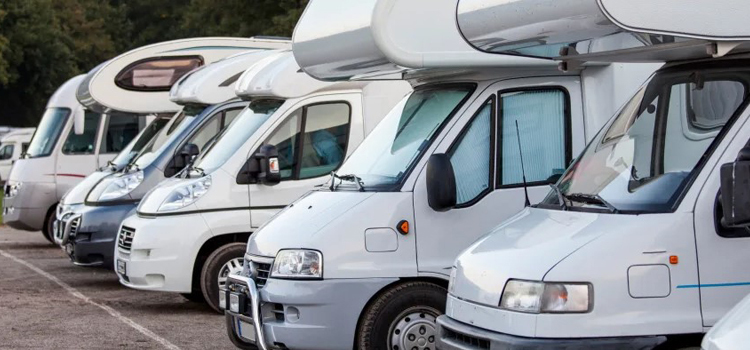
As recreational vehicles (RVs) become a popular choice for travel and adventure, it’s essential for owners to understand the importance of proper seasonal storage. When the time comes to park your RV for the off-season, various factors play a critical role in ensuring that your vehicle remains in optimal condition. This article outlines key considerations for seasonal RV storage, helping you protect your investment and prepare for future travels.
1. Choosing the Right Storage Location
On-Site vs. Off-Site Storage
On-Site Storage: If you have adequate space on your property, consider storing your RV at home. This option allows for convenient access for maintenance checks and quick getaways. However, you must ensure you have the proper zoning permits and that local regulations allow for RV parking.
Off-Site Storage: Various facilities specialize in RV storage. They often offer protected environments and amenities such as climate control and security measures. Key types to consider include:
Indoor Storage: Offers maximum protection from environmental elements and security risks.
Outdoor Storage: Often more affordable but exposes your RV to weather conditions that can cause wear and tear.
Covered Storage: Strikes a balance, shielding your RV from direct sunlight while maintaining good ventilation.
Accessibility and Security
Consider how often you plan to access your RV. Choose a location that allows easy access throughout the storage period. Additionally, prioritize facilities that provide gated access, surveillance cameras, and adequate lighting to ensure your RV remains secure.
2. Preparing Your RV for Storage
Proper preparation is crucial to ensure your RV is in good shape when it’s time to hit the road again. Here are the essential steps:
Cleaning and Maintenance
1. Thorough Cleaning: Wash the exterior and clean the interior to prevent mold and mildew growth. Pay extra attention to the kitchen and bathroom areas.
2. Smoothing Surfaces: Wax the exterior to protect the paint and surfaces from UV rays and environmental damage.
3. Fluid Checks: Change the oil and replace filters if required. Top off fluids such as antifreeze and break fluid to prevent summer heat damage.
Battery and Electrical System
- Disconnect the battery and store it indoors for optimal lifespan. If applicable, use a battery tender to maintain the charge.
- Check all electrical systems, ensuring that they are operational and well-maintained.
Pest Control
Before you close up the RV, ensure it is free from pests. Seal any food items, as they could attract rodents or insects. Using traps or pest repellents can also be an effective measure.
3. Protecting Your RV While in Storage
Once your RV is clean and maintained, the next step is securing it during the off-season.
Covering Your RV
Investing in a high-quality RV cover is vital for protection against weather and UV damage. When selecting a cover, consider factors like material, fit, and weather resistance to prevent mold growth and physical damage.
Tire Care
Inflation: Check the tire pressure before storage, ensuring that tires are inflated to the manufacturer’s specifications.
Positioning: If possible, place your RV on a level surface to avoid flat spots on the tires. Consider using tire covers to protect against UV exposure.
Ventilation
Ensure your RV is well-ventilated to prevent moisture buildup, which can lead to mold and mildew. Utilize roof vents and windows slightly ajar, if safe to do so, to promote airflow.
4. Insurance Considerations
As with any vehicle, check your insurance policy to understand what is covered during storage. Speak to your insurance provider to ensure you have adequate coverage for:
Liability: In case of accidents in the storage location.
Comprehensive Coverage: To protect against theft or damage while in storage.
Fire and Natural Disasters: Review coverage for unforeseen events while parked.
Conclusion
Seasonal
RV storage is a task that requires careful planning and execution to ensure your vehicle remains in excellent condition for future adventures. By considering factors such as storage location, preparation steps, protection measures, and insurance coverage, you can safeguard your investment effectively. With proper care and attention, your RV will be ready and waiting for your next journey on the open road, ensuring countless memories yet to be made. Take the time now to implement these steps and enjoy peace of mind during your RV’s off-season hibernation.